

Little Shop of Horrors Is Our Biggest Feat Yet
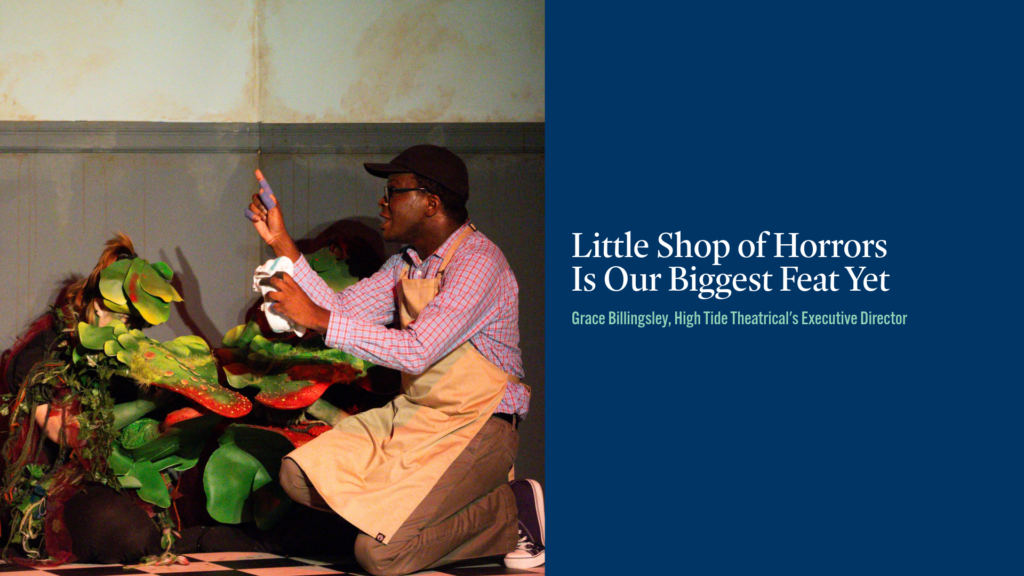
When we announced Little Shop of Horrors, we knew we were taking on something bigger than anything High Tide had attempted before.
We knew the show would be beloved. We knew audiences would recognize the title, the music, and the strange joy of a man-eating plant with a killer voice. We knew it would be fun.
What we did not fully know, at least not in the beginning, was just how much this production would ask of us as an organization.
Now, looking back at a sold-out five-week run, I can say this with confidence: Little Shop of Horrors is High Tide Theatrical’s biggest feat yet.
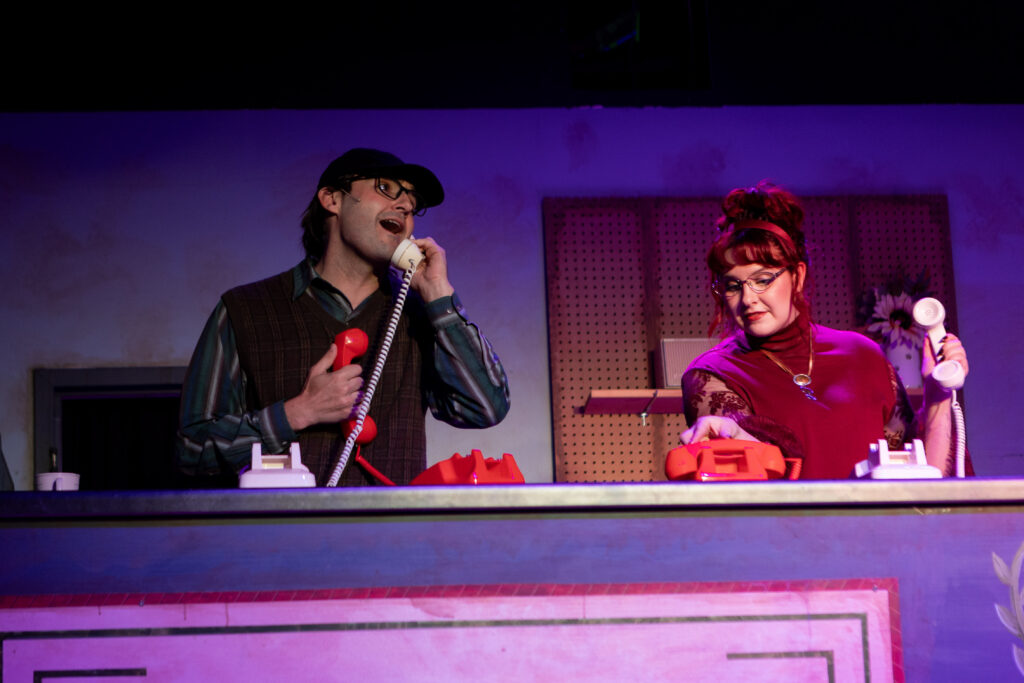
Not just because people bought tickets, although they absolutely did. Not just because the show sold out, although that is a milestone we do not take lightly. And not just because the production looked and sounded bigger than anything we have done before.
It is our biggest feat because it stretched every part of the organization at the same time.
Until now, High Tide has never attempted a run longer than three weekends. Little Shop ran for five. That may sound like a simple calendar change, but in practice, it changed everything.
A longer run means more audiences, more front-of-house needs, more volunteers, more communication, more ticketing questions, more lobby setup, more cleanup, more problem-solving, and more nights of making sure every patron is welcomed into the space with care. It means asking our systems to hold longer than they ever have before.
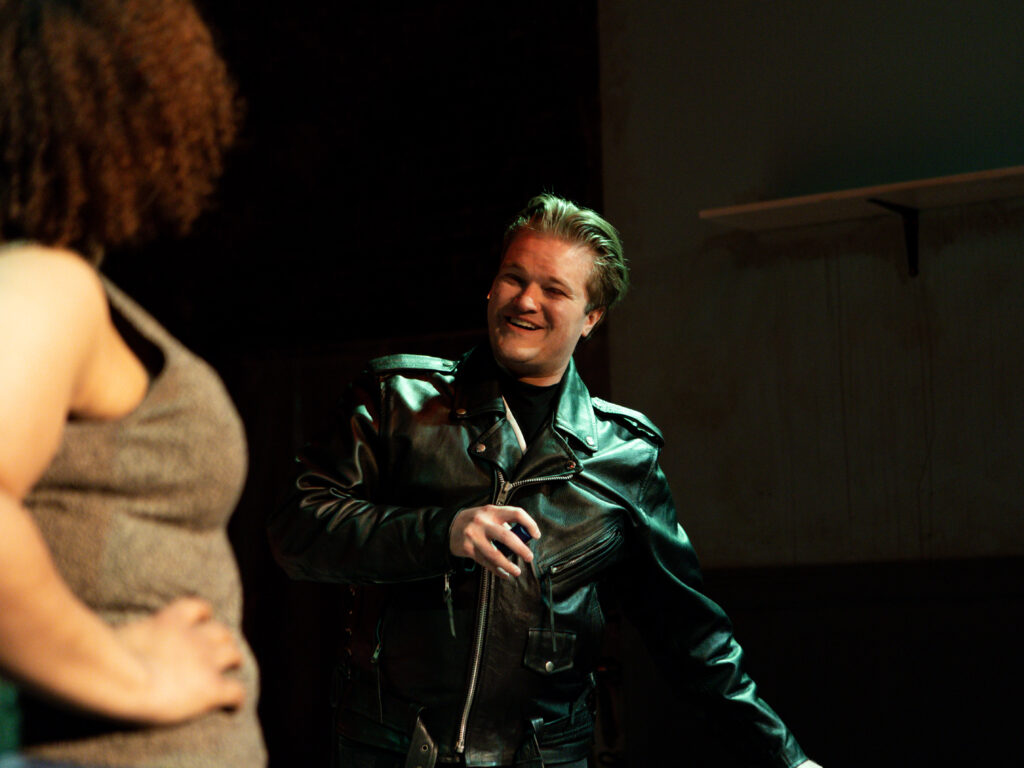
That work does not happen magically. It happens because people show up again and again.
Our House Manager, Jose DelaTorre, and the volunteers who supported him carried an enormous part of this production. With a five-week sold-out run, front-of-house was not a side detail. It was a major operation. Every performance required people ready to welcome patrons, scan tickets, answer questions, manage seating, keep the lobby moving, and help create the kind of experience that makes people want to return.
A sold-out show is exciting. A sold-out five-week run is work. Jose and his team met that work with generosity, steadiness, and care.
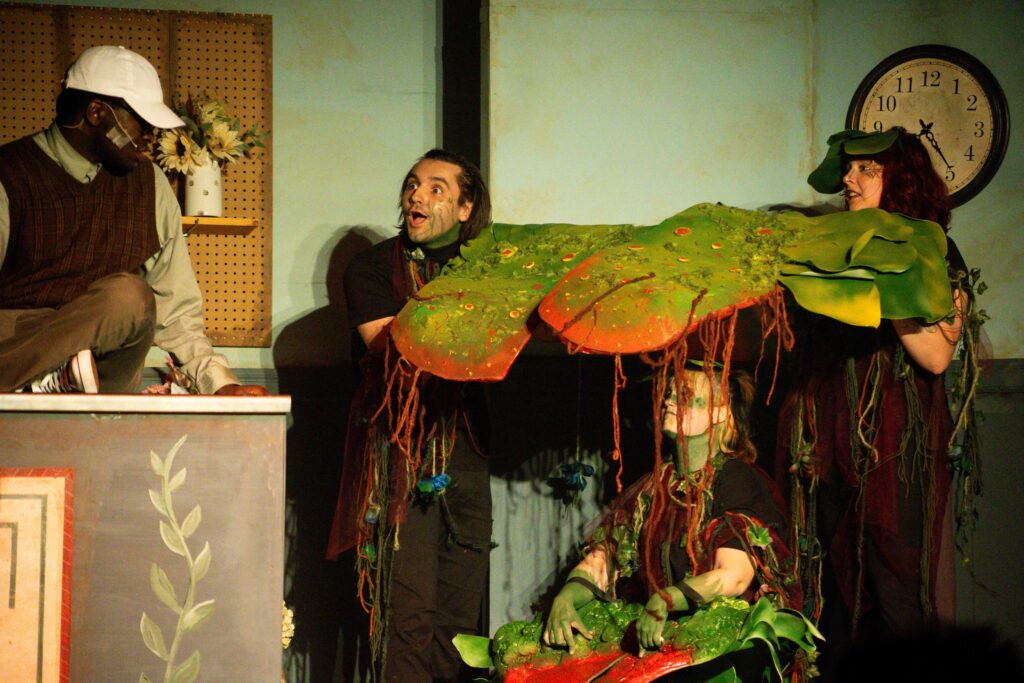
This production also pushed us technically in ways we have been building toward for a long time.
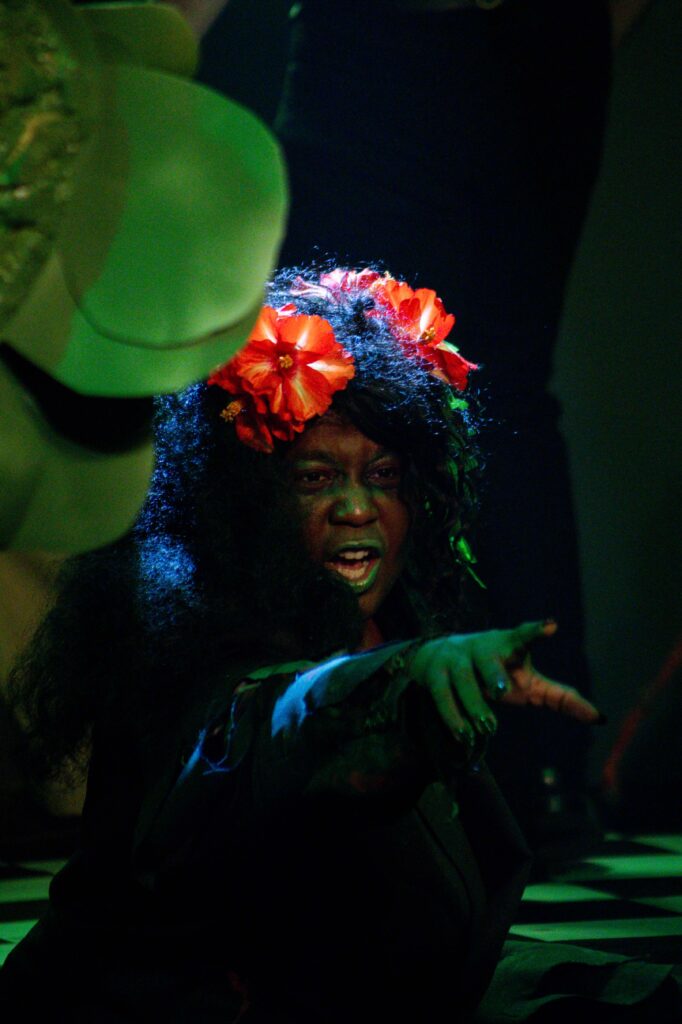
Little Shop is not a small show, even in an intimate space. It asks for precision, imagination, and a willingness to make the impossible feel alive just a few feet away from the audience. The props, lighting, makeup, special effects, puppetry, and backstage coordination all had to work together to create a world that felt playful, dangerous, funny, and just a little bit unhinged.
That kind of theatricality is one of the reasons people love Little Shop of Horrors. It is also one of the reasons the show is such a massive undertaking.
This production asked our team to solve problems creatively and constantly. How do we make a plant feel alive in a small room? How do we support special effects safely and consistently across a long run? How do we make the design feel full and exciting without having the resources of a large theatre? How do we keep the audience immersed when they are close enough to see almost everything?
The answer, again and again, was people.
It was artists, designers, technicians, performers, and crew members bringing skill, humor, flexibility, and patience into the room. It was Joshua David Smith, High Tide’s Artistic Director and the director of this production, holding the creative vision of the show while guiding an enormous team through one of the most ambitious projects we have ever produced. It was the cast and crew choosing to meet the scale of the production, not by pretending it was easy, but by committing fully to the work.
And then there were the casts.
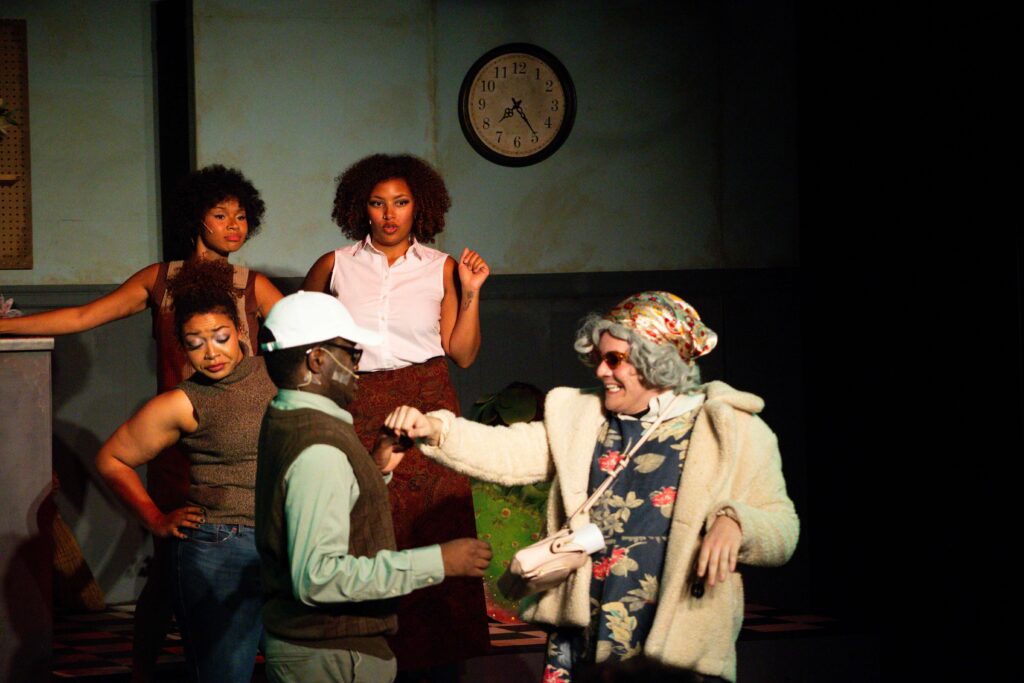
One of the most ambitious parts of this production was that Little Shop of Horrors featured two almost entirely different casts alternating performances. Double casting a production is not simply a matter of plugging in one performer and swapping out another. It requires careful rehearsal planning, communication, consistency, trust, and an extraordinary amount of collaboration.
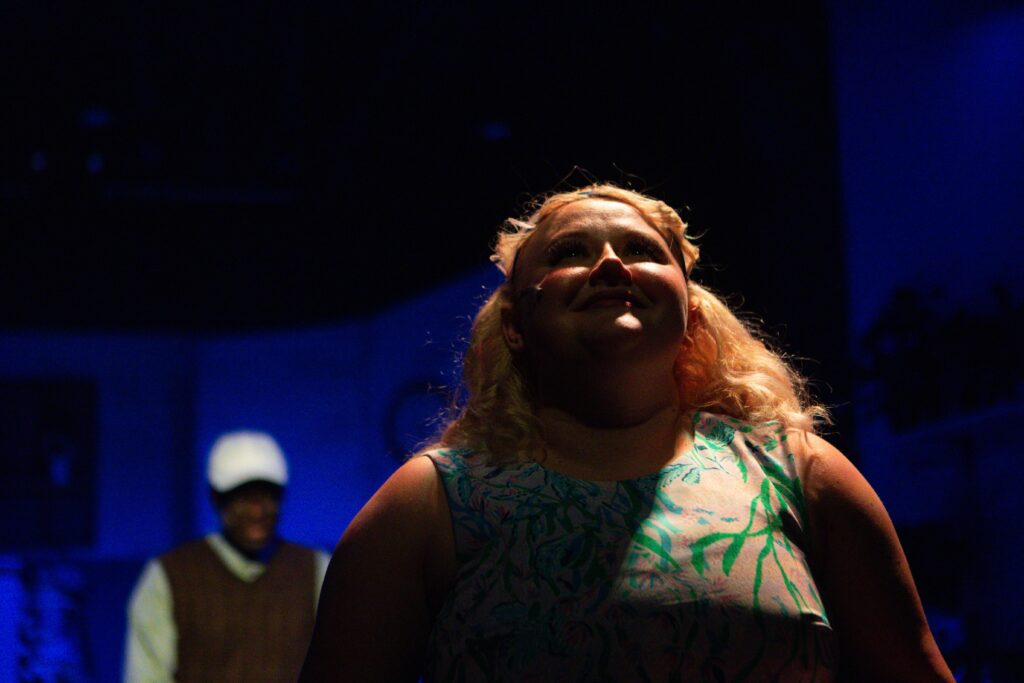
Each cast had to build its own relationships, rhythm, and chemistry while still serving the same production. Each performer had to understand not only their own role, but how their work fit inside a larger rotating structure. The result was not one version of Little Shop, but two living versions of the same world, each with its own energy and heartbeat.
It also mattered that these casts reflected the kind of artistic community High Tide is committed to building: diverse, collaborative, and full of artists bringing different lived experiences, training, voices, and perspectives into the same story. Little Shop is a show built on musical traditions shaped by Black artists and communities, and seeing this production carried by a blended, racially diverse ensemble made that history feel especially present in the room.
That is a huge artistic lift. It is also a huge organizational one.
This production also grew beyond the stage in meaningful ways.
Through Grow for Good, lobby plants were available for patrons to purchase, with $5 from each plant sold coming back to High Tide. It was the kind of partnership that felt perfectly aligned with the show: playful, community-centered, and rooted in local support. We are grateful to Craig Granger, owner of Grow for Good, for helping make that possible.
Our lobby raffle baskets were another major part of the experience. Olivia Kusick arranged those baskets with care, creativity, and a strong understanding of how to make the lobby feel active and connected to the production. Those details matter. They give audiences another way to engage, support the organization, and feel like they are part of something bigger than a single night at the theatre.
And at Martha’s Vineyard, Tommy, a newer bartender, stepped into his first High Tide production and did a fantastic job running the bar for every performance. In a sold-out run, that matters more than people may realize. The bar is part of the audience experience, part of the rhythm of the evening, and part of what makes the Lightroom Lounge feel like the unique, intimate home that it is for our work.
All of these pieces together are why I keep coming back to the word “feat.”
Because Little Shop of Horrors was not just a successful production. It was a test of our capacity.
It showed us what High Tide can do. It also showed us, very clearly, what High Tide needs next.
That is where our Level Up campaign comes in.
A production like Little Shop makes our growth visible. It shows the creativity, talent, and community support that already exist here. But it also reveals the limits of our current infrastructure. We are producing increasingly ambitious work in a space and with equipment that were not built for the level of demand we are now carrying.
Better sound equipment matters. Better lighting capacity matters. Stronger technical infrastructure matters. These are not luxury upgrades. They are the tools that allow our artists to do their best work, our audiences to have the best experience, and our organization to keep growing responsibly.
When audiences see a show like Little Shop of Horrors and say, “I can’t believe they did that in this space,” I feel proud. I also feel the weight of what it takes to keep doing it.
High Tide has always been scrappy. That is part of our story. But scrappy cannot be the only strategy forever.
If Little Shop proved anything, it is that High Tide is ready for the next level. Our artists are ready. Our audiences are showing up. Our community is paying attention. The work is growing.
Now our infrastructure has to grow with it.
I am deeply proud of this production. I am proud of Joshua, Jose, Craig, Olivia, Tommy, our casts, our crew, our volunteers, our designers, our partners, and everyone who helped carry this massive, strange, joyful, demanding show across the finish line.
A sold-out five-week run does not happen because of one person. It happens because an organization is learning how to hold more, dream bigger, and ask better questions about what comes next.
Little Shop of Horrors may be about feeding a plant.
But for High Tide, this production fed something else: momentum.
And now, we have to decide what we are going to do with it.
If you were moved by this production, excited by what High Tide is building, or inspired by the kind of bold, intimate theatre this community continues to support, I hope you will consider making a donation to our Level Up campaign.
Your support helps us invest in the equipment, tools, and infrastructure we need to keep growing, not just for one show, but for every artist, audience member, volunteer, and story that comes next.
High Tide has leveled up before.
Now, we are ready to do it again.