

Where does a $25 ticket go?
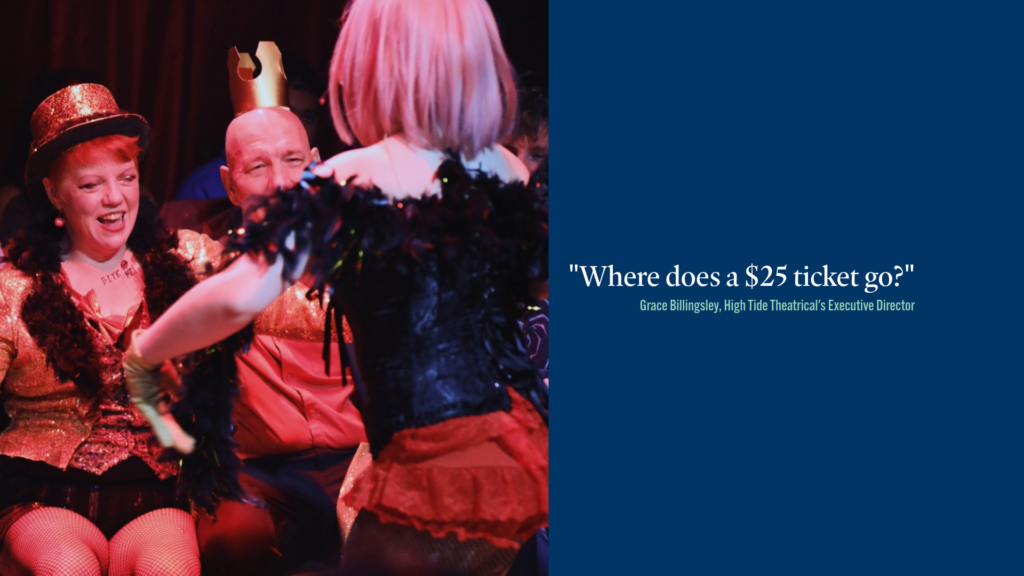
It’s a question we get more often than you might think:
Where does the ticket money actually go?
At High Tide, our standard ticket price for a play is $25. For some, that feels accessible. For others, it raises questions, especially in a space where many artists are volunteering their time.
The reality is this: a ticket doesn’t just pay for what you see on stage… and it also doesn’t fully cover the cost of producing it.
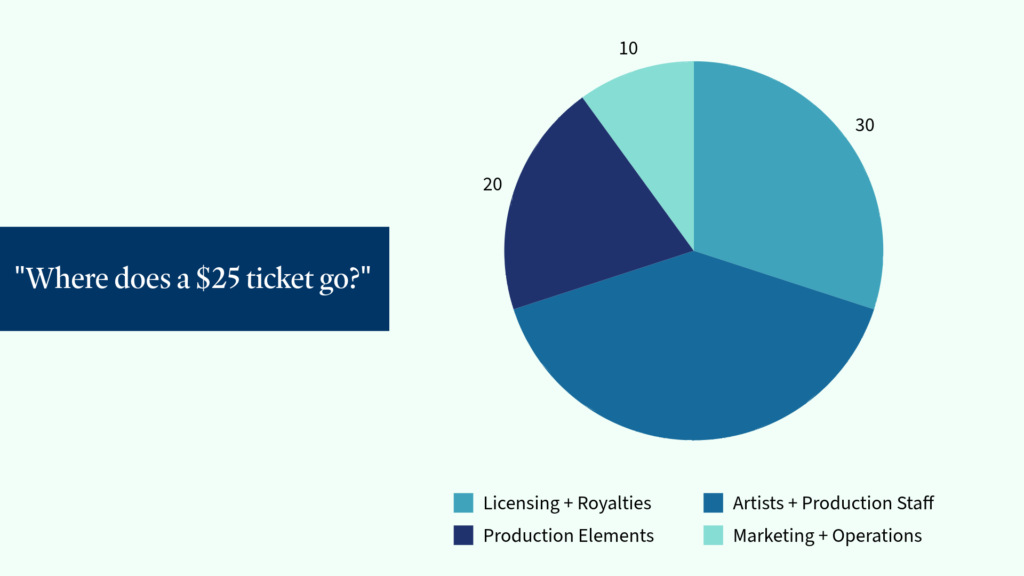
On average, each ticket sold contributes roughly:
- 30% – Licensing & Royalties
- 40% – Artists & Production Staff
- 20% – Production Elements
- 10% – Marketing & Operations
This breakdown reflects how each ticket supports a production, but it’s important to understand that ticket revenue represents only a portion of the full financial picture.
The Cost of Telling the Story
Before a single rehearsal begins, before we can even announce a season to the public, we are required to secure the rights to perform a show.
Licensing and royalties are fixed costs, set by licensing houses, and they remain the same regardless of how many tickets are sold.
Whether we perform to a full house or a smaller audience, those costs do not change.
This means that ticket sales alone cannot offset one of the most significant expenses of producing theatre.
The People Behind the Work
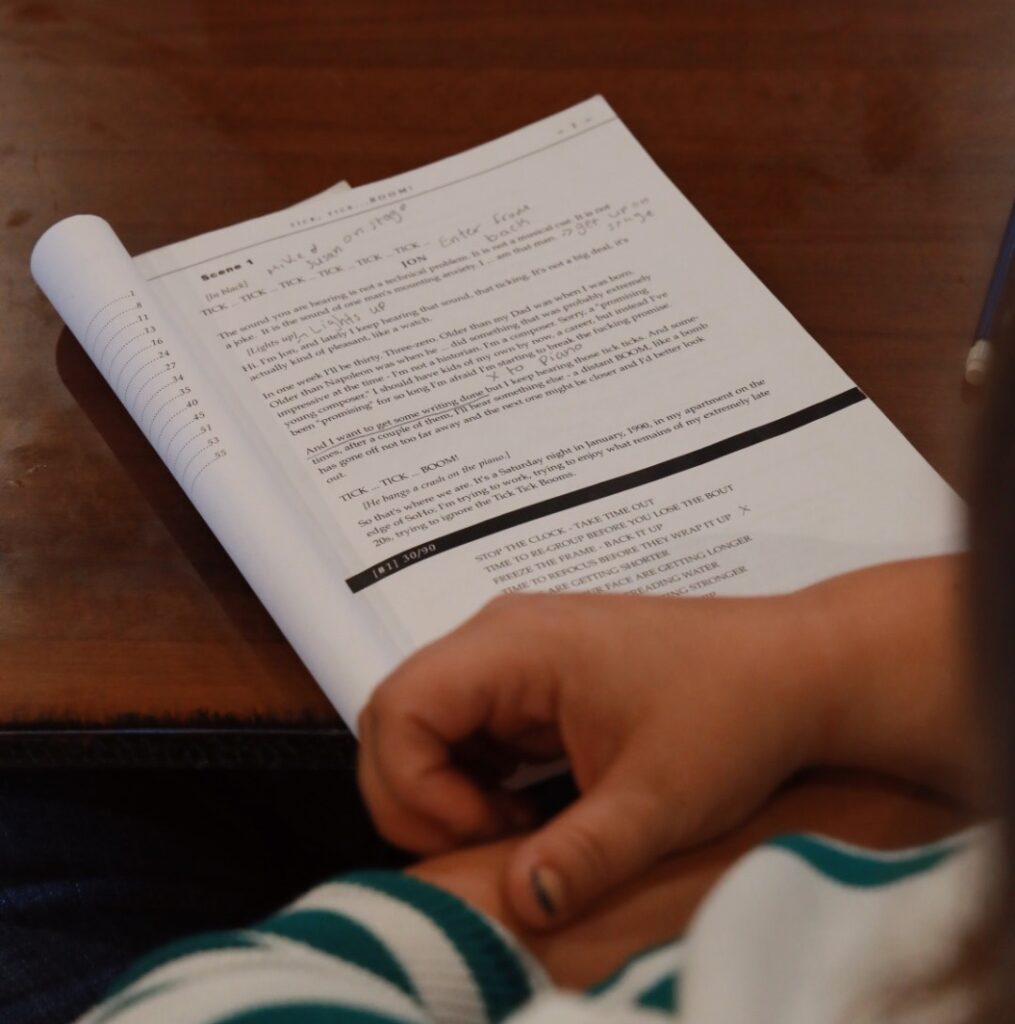
The largest portion of each ticket goes toward the people shaping the production.
At High Tide, our actors and many designers volunteer their time, but we prioritize compensating key artistic and production roles: directors, music directors, and technical leaders. These individuals are responsible for building the world of the show and guiding the work from concept to performance.
Even with that investment, the true value of the time, skill, and labor involved far exceeds what ticket revenue alone can support.
What You See… and What You Don’t.
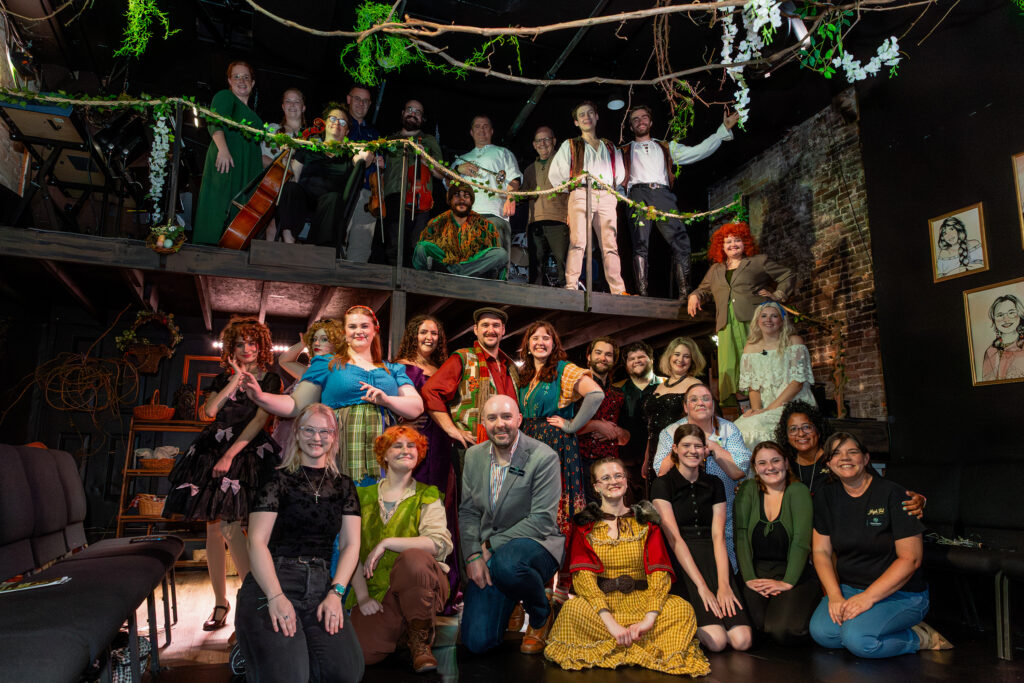
Sets, props, and costumes are the most visible elements of a production.
But behind that is an ongoing balance of creativity and limitation.
Much of our work is currently produced using shared or borrowed equipment, particularly in technical areas like lighting and sound. Our designers are creating thoughtful, effective work within those constraints, but the tools themselves have not yet caught up to the level of artistry on stage.
This is not unique to High Tide.
Across the nonprofit arts landscape, organizations of all sizes are navigating similar realities: rising costs, limited resources, and the challenge of sustaining high-quality work in a complex financial environment.
A Broader Reality
I entered Springfield’s arts community at six years old, and over time, I’ve watched it evolve, grow, and adapt.
One thing that may be surprising is this:
these challenges are not limited to organizations at a specific stage of growth.
They are shared across the field.
Nonprofit arts organizations, large and small, are all working within a structure where ticket sales alone cannot sustain the full cost of producing work. It requires a combination of earned revenue, sponsorships, and community support to continue operating at a high level.
At High Tide, we are proud to be part of that ecosystem, and to collaborate alongside other organizations working toward the same goal.

Why It Matters
A $25 ticket plays an important role.
It contributes to:
- the rights that allow a story to be told
- the artists and leaders shaping the work
- the materials that bring it to life
- and the infrastructure that supports it
But it is only one piece of what makes a production possible.
Looking Ahead
As we continue to grow, our focus remains on creating work that is intentional, impactful, and rooted in community.
That growth includes not only the stories we tell, but the resources behind them, ensuring that the tools, infrastructure, and support systems reflect the level of work happening on stage.
A Final Thought
If you’ve ever purchased a ticket, you’ve already contributed to that process.
And if you’ve ever wondered whether that ticket alone sustains the work… the answer is no.
It helps. It matters. It’s essential.
But it is part of something larger.
If you’d like to continue supporting High Tide, whether by attending, sharing, or staying connected, we’re grateful to have you as part of our community.